
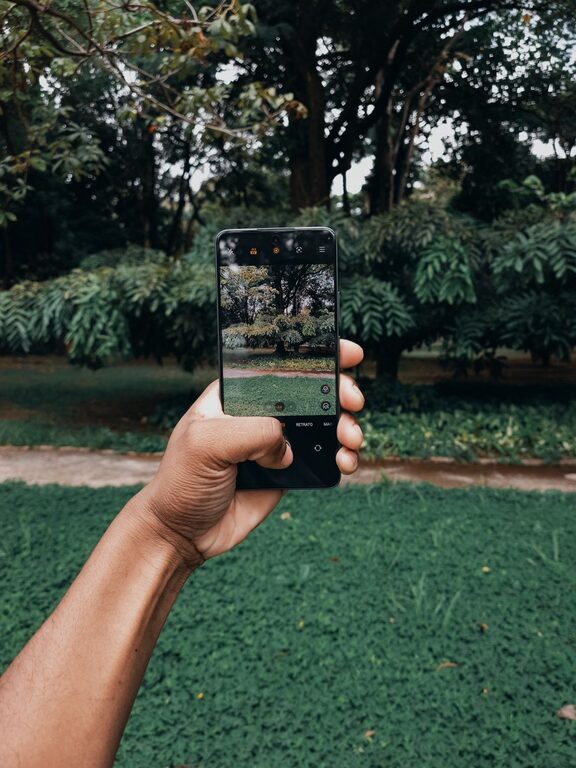
Taking great photos with your phone is easier than you might think! With a few simple techniques and a little practice, you can capture clear, vibrant, and interesting images that stand out. Whether you’re new to photography or just want to improve your phone pictures, these beginner tips will help you take your photography skills to the next level.
1. Understand Your Phone Camera
Before you start snapping photos, take some time to explore your phone’s camera features. Most smartphones come with built-in modes and settings that can help improve your photos.
– Learn the Modes: Try out different modes like portrait, panorama, night, and slow motion. Each mode is designed for specific situations.
– Use Gridlines: Turning on the gridlines (usually a 3×3 grid) helps you apply the “Rule of Thirds,” which can make your photos more balanced and interesting.
– Check the Resolution: For the best quality, make sure your camera is set to its highest resolution.
2. Focus and Exposure
Good focus and correct exposure are key to clear and well-lit photos.
– Tap to Focus: On most phones, tapping the screen on your subject will focus the camera and adjust the exposure for that spot.
– Adjust Exposure Manually: After focusing, you can usually slide your finger up or down to brighten or darken the photo.
– Avoid Overexposure: Bright areas that are “washed out” lose detail. Try to keep highlights balanced, especially on sunny days.
3. Keep It Steady
Blurry photos often come from shaky hands. Keeping your phone steady makes a big difference.
– Use Both Hands: Hold your phone with both hands for better stability.
– Lean on a Stable Surface: Rest your elbows on a table or lean against a wall.
– Use a Tripod or Stand: For low-light or long-exposure shots, a small tripod or phone stand can help.
4. Pay Attention to Lighting
Lighting can make or break a photo. Natural light usually gives the best results.
– Shoot During Golden Hour: The hour after sunrise and before sunset provides warm, soft light that enhances your images.
– Avoid Harsh Midday Sun: If shooting in bright daylight, find some shade to reduce harsh shadows.
– Use Backlighting Creatively: Place a light source behind your subject for interesting silhouettes or glowing effects.
– Avoid Using Flash: Phone flashes often create harsh, unnatural lighting. Try to rely on ambient light instead.
5. Compose Your Shots Thoughtfully
Composition guides the viewer’s eye and makes photos more appealing.
– Follow the Rule of Thirds: Place your subject along the gridlines or their intersections to create balance.
– Use Leading Lines: Roads, fences, or paths can draw the eye into the photo.
– Include Foreground Elements: Adding something interesting in the foreground can give your photo depth.
– Try Different Perspectives: Don’t just shoot from eye level. Experiment with angles—get low, high, or close up.
– Keep It Simple: Avoid cluttered backgrounds that distract from your main subject.
6. Experiment with Editing Apps
Editing can enhance your photos, but it’s best to keep it natural.
– Crop and Straighten: Fix framing and alignment issues.
– Adjust Brightness and Contrast: Make your photo pop with subtle changes.
– Use Filters Sparingly: Filters can add mood but avoid overdoing it.
– Try Popular Apps: Snapseed, Lightroom Mobile, and VSCO are great options for beginners.
7. Practice Regularly and Learn from Others
The more you photograph, the better you’ll get.
– Take Photos Daily: Experiment with different subjects, lighting, and settings.
– Review Your Photos: Look at what worked and what didn’t.
– Follow Photography Blogs and Social Media: Get inspiration from other photographers.
– Join Photography Groups: Feedback and tips from others can be very helpful.
8. Save and Share Your Photos
Once you’ve taken great photos, make sure to save and share them properly.
– Backup Your Photos: Use cloud services or your computer to keep your images safe.
– Share on Social Media: Platforms like Instagram or Flickr are perfect for showing your work.
– Create Albums: Organize your photos to easily find favorites.
—
Taking better phone photos doesn’t require expensive equipment or advanced skills. By understanding your camera, paying attention to lighting and composition, and practicing regularly, you’ll start creating photos that you’re proud to share. So grab your phone and start experimenting today!