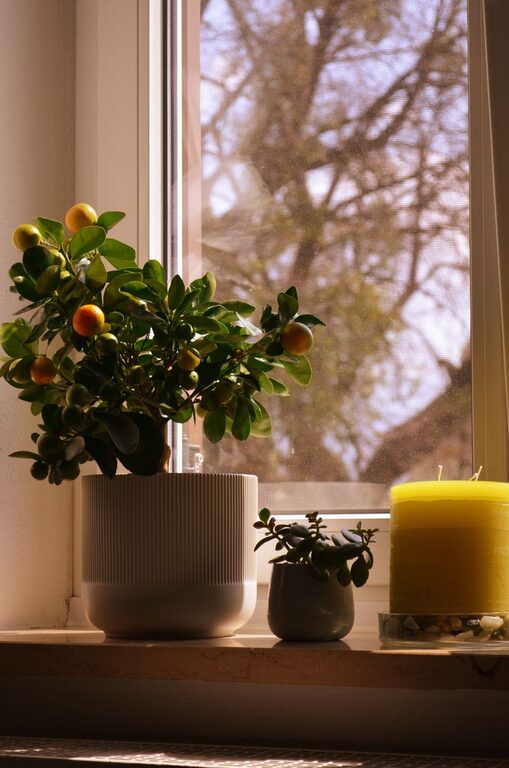

Bringing houseplants into your home adds life, color, and a touch of nature to your living space. However, keeping them healthy and vibrant requires some knowledge and care. Whether you’re a seasoned green thumb or just starting out, these tips will help you maintain happy, thriving indoor plants. Let’s explore the best practices for watering, lighting, soil, and more to ensure your plants flourish.
Understanding Your Houseplants’ Needs
Every plant species has its unique requirements when it comes to light, water, and temperature. The first step to maintaining healthy houseplants is getting to know the specific needs of each type you own.
– Research Your Plant: Look up your plant species online or in books to understand its preferred environment.
– Label Your Plants: Keep a small label or note with care instructions for each plant to keep track of their needs.
Proper Watering Techniques
Watering is one of the most common challenges for houseplant maintenance. Both overwatering and underwatering can harm your plants, so it’s important to find the right balance.
How to Water Correctly
– Check Soil Moisture: Instead of sticking to a strict schedule, check if the top inch of soil feels dry before watering.
– Use Room Temperature Water: Cold water can shock roots; lukewarm water is best.
– Water Thoroughly: Water until you see it draining from the bottom of the pot to ensure the roots get enough moisture, then empty the drainage tray to prevent root rot.
– Adjust Watering in Different Seasons: Plants generally need less water in cooler months and more in warmer months.
Signs of Overwatering and Underwatering
– Overwatering: Yellowing leaves, wilting, and mushy stems.
– Underwatering: Dry, crispy leaves, wilting, and soil pulling away from pot edges.
Providing Adequate Light
Light is crucial for photosynthesis and influences plant growth. Different plants require different amounts of light.
– Bright Indirect Light: Most tropical houseplants prefer filtered sunlight rather than direct rays.
– Low Light Plants: Some plants, like snake plants or pothos, tolerate low light but will still benefit from some indirect sunlight.
– Rotate Your Plants: Turn plants occasionally so all sides receive light evenly, preventing uneven growth.
– Use Artificial Lighting: If natural light is limited, consider grow lights designed for plants.
Choosing the Right Soil and Pots
The right soil and container can help your plants thrive by providing proper drainage and nutrients.
– Use Well-Draining Soil: Most houseplants prefer soil that retains moisture but drains excess water quickly.
– Choose Pots with Drainage Holes: These prevent water from pooling and causing root rot.
– Consider Pot Size: Pots that are too large can hold excess moisture, while pots that are too small can restrict root growth.
Fertilizing Your Houseplants
Plants need nutrients to grow, especially when kept indoors where natural soil replenishment is limited.
– Use Balanced Fertilizer: A balanced, water-soluble fertilizer applied during the growing season (spring and summer) supports healthy development.
– Follow Manufacturer Instructions: Over-fertilizing can damage plants.
– Reduce or Stop Fertilizing in Dormant Seasons: Most plants slow growth in fall and winter, so fertilizing can be reduced or paused.
Maintaining Humidity and Temperature
Indoor environments, especially in winter with heating systems, can become dry, which affects plant health.
– Increase Humidity: Group plants together, use a humidifier, or place a tray of water near plants.
– Avoid Drafts and Heat Sources: Keep plants away from vents, radiators, or cold drafts which can stress them.
– Maintain Consistent Temperature: Most houseplants prefer temperatures between 65°F and 75°F (18°C – 24°C).
Pruning and Cleaning Your Plants
Regular pruning and cleaning help plants stay healthy and look their best.
– Remove Dead or Yellow Leaves: This encourages new growth and prevents disease.
– Trim Leggy Growth: Cutting back long stems helps maintain shape and encourages bushier growth.
– Clean Leaves: Dust can block light, so gently wipe leaves with a damp cloth or give plants a gentle shower.
Watch for Pests and Diseases
Indoor plants are not immune to pests or diseases.
– Inspect Plants Regularly: Check the undersides of leaves and stems for pests like spider mites, aphids, or scale insects.
– Isolate New Plants: Keep new plants separate for a few weeks to ensure they don’t introduce pests.
– Treat Problems Early: Use natural remedies like neem oil or insecticidal soap if pests are found.
– Maintain Cleanliness: Remove fallen leaves and debris to avoid fungal growth.
Final Thoughts
Maintaining healthy houseplants is a rewarding activity that brings beauty and freshness into your home. By understanding your plants’ needs and following these straightforward care tips, you can enjoy lush, vibrant greenery all year round. Remember that patience and observation are key—plants often communicate their needs through subtle signs. With a little attention and care, your houseplants will thrive and brighten your space for years to come.